
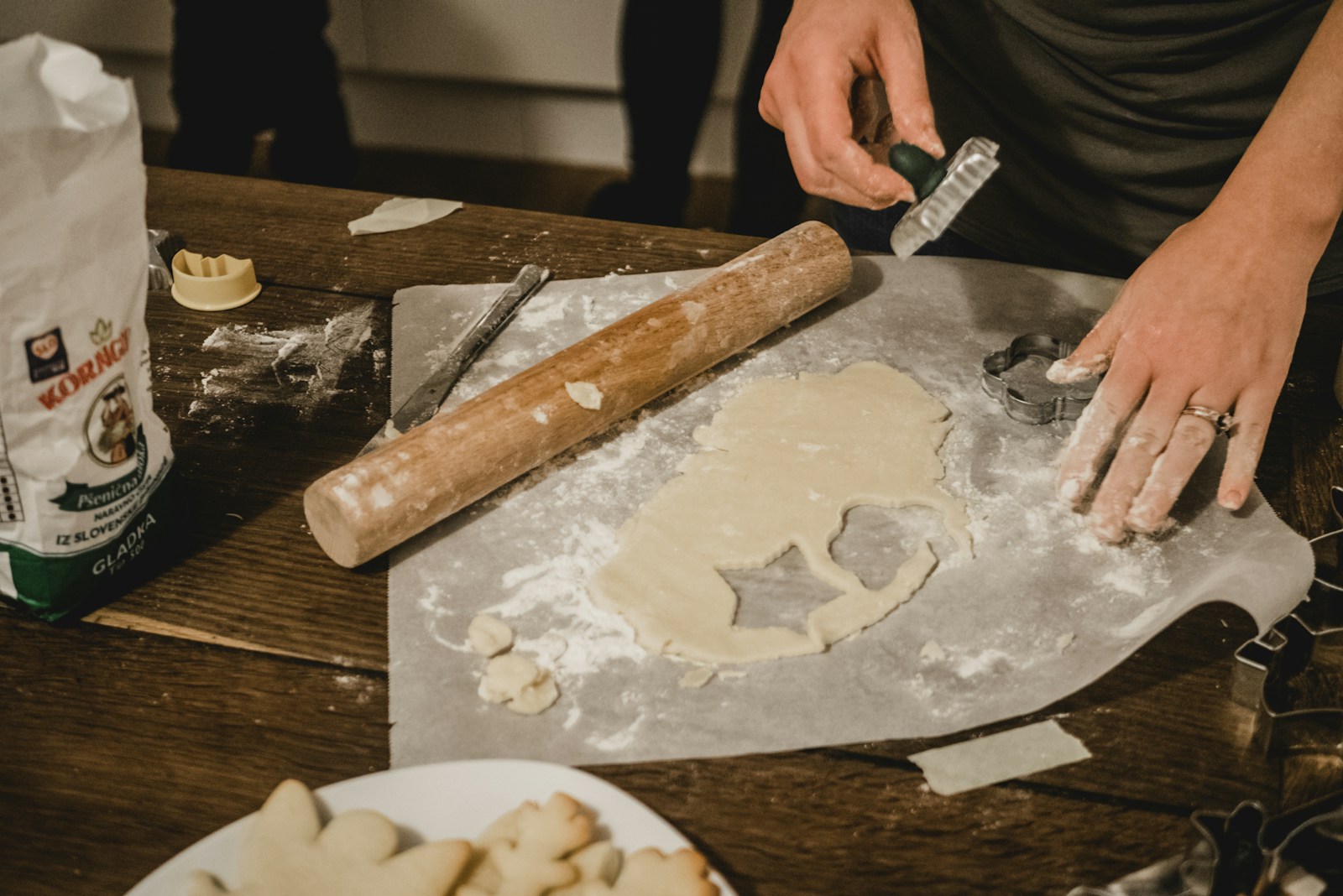
Baking transforms simple ingredients into extraordinary creations, but success depends on having the right tools at your fingertips. Whether you’re a beginner mixing your first batch of cookies or an experienced baker tackling elaborate pastries, understanding essential baking tools helps you work efficiently, achieve consistent results, and expand your repertoire with confidence.
The difference between frustration and joy in baking often comes down to equipment. The right tools make precise measurements effortless, ensure even baking, and turn potentially messy tasks into smooth operations. This comprehensive guide explores the baking essentials every kitchen needs, helping you build a collection that supports your baking ambitions without overwhelming your space or budget.
Measuring Tools: The Foundation of Baking Success
Unlike cooking, where approximate measurements often work perfectly well, baking demands precision. Chemical reactions between ingredients create the structure, texture, and rise that define baked goods, and these reactions require accurate proportions to work properly.
Measuring Cups for Dry Ingredients: Quality dry measuring cups come in nested sets including one cup, half cup, third cup, quarter cup, and sometimes eighth cup measures. Stainless steel cups outlast plastic alternatives and won’t absorb odors or stains. The key feature is a flat rim that allows you to level off ingredients with a straight edge for accurate measurements. Look for cups with sturdy handles that won’t bend or break with regular use.
Liquid Measuring Cups: Glass or clear plastic liquid measuring cups feature spouts for easy pouring and measurement markings on the side. Having both two-cup and four-cup sizes covers most baking needs. Glass versions can go in the microwave for melting butter or warming milk, adding versatility. The measurements should be clearly marked and include both cup and milliliter measurements for recipe flexibility.
Measuring Spoons: A complete set includes tablespoon, teaspoon, half teaspoon, quarter teaspoon, and eighth teaspoon measures. Metal spoons with long handles work well for reaching into tall spice jars and remain durable through years of use. Narrow oval-shaped spoons fit into spice jars more easily than round ones. Like dry measuring cups, these should have flat rims for accurate leveling.
Kitchen Scale: Professional bakers weigh ingredients rather than using volume measurements because weight provides far greater accuracy. A digital kitchen scale that measures in both grams and ounces, with at least an 11-pound capacity, handles everything from measuring tiny amounts of yeast to weighing entire batches of dough. Look for a scale with a tare function that zeros out the weight of your bowl, allowing you to add ingredients sequentially without math calculations. This single tool revolutionizes baking accuracy and makes following European recipes straightforward.
Mixing Equipment: Creating Perfect Batters and Doughs
Proper mixing equipment helps you combine ingredients efficiently while developing the right texture for each type of baked good.
Mixing Bowls: A set of mixing bowls in various sizes proves indispensable for baking projects large and small. Stainless steel bowls are lightweight, durable, and won’t retain odors or stains. Glass bowls allow you to see ingredients from all angles and can go directly from refrigerator to microwave. Having at least three sizes—small for whisking eggs, medium for cookie dough, and large for bread dough or big batches—covers most baking scenarios. Bowls with rubber or silicone bases prevent sliding during vigorous mixing.
Whisks: A medium-sized balloon whisk handles most whisking tasks from beating eggs to incorporating dry ingredients. The wires should be numerous and flexible enough to incorporate air efficiently but sturdy enough to handle thick batters. A smaller whisk helps with tasks like mixing spices or whisking small amounts of liquid. Stainless steel whisks with comfortable handles withstand years of use without rusting or breaking.
Wooden Spoons and Spatulas: Wooden spoons feel comfortable in hand during extended mixing and won’t scratch cookware or transfer heat like metal spoons. Having several allows you to use fresh utensils when switching between sweet and savory ingredients. The wood should be smooth without splinters and sealed to resist moisture absorption.
Rubber Spatulas: These flexible tools scrape every bit of batter from bowls, fold delicate ingredients without deflating them, and spread frosting smoothly. Silicone spatulas withstand high temperatures and can stir hot mixtures without melting. Having both a standard size and a small narrow spatula helps with everything from scraping tall jars to folding egg whites. Look for spatulas with the head molded to the handle rather than attached, eliminating the crevice where food can hide.
Stand Mixer or Hand Mixer: While not absolutely essential, electric mixers dramatically reduce effort and time for many baking tasks. Stand mixers excel at kneading bread dough, creaming butter and sugar, and whipping cream or meringue. They free your hands for other tasks and deliver consistent results. Hand mixers cost less, store more easily, and handle most cake and cookie batters admirably. The choice depends on your baking frequency, budget, and storage space. For serious bakers, a stand mixer with paddle, whisk, and dough hook attachments becomes an indispensable partner.
Baking Pans: Choosing the Right Vessel
The pans you bake in affect cooking time, browning, and final texture. Building a versatile collection allows you to tackle diverse recipes.
Sheet Pans: Also called cookie sheets or baking sheets, these flat pans are workhorses for cookies, sheet cakes, roasted nuts, and countless other tasks. Having at least two half-sheet pans allows you to rotate batches efficiently. Look for heavy aluminum pans that won’t warp in high heat. Pans with a rolled rim around all four sides provide strength and make handling easier. Light-colored pans promote even browning, while dark pans absorb more heat and may over-brown bottoms. Rimless cookie sheets allow you to slide cookies directly onto cooling racks but lack versatility for other tasks.
Round Cake Pans: Two or three eight-inch or nine-inch round pans let you bake layer cakes. Straight sides create professional-looking layers. Aluminum pans with light interior finishes bake cakes evenly. Some bakers prefer having multiple sizes—eight-inch and nine-inch—since recipes specify pan size for proper baking times and cake height.
Square and Rectangular Baking Pans: A nine-by-thirteen-inch rectangular pan handles brownies, bar cookies, and sheet cakes while an eight-inch or nine-inch square pan works for smaller batches. Metal pans conduct heat efficiently while glass pans allow you to monitor browning. When using glass, reduce oven temperature by 25 degrees Fahrenheit since glass retains heat more than metal.
Loaf Pans: Standard nine-by-five-inch loaf pans are essential for bread, pound cake, and quick breads. Having two allows you to bake multiple loaves simultaneously. Light-colored metal pans produce tender crusts while darker pans create crustier exteriors preferred for artisan breads.
Muffin Tins: A standard twelve-cup muffin tin with medium-sized cups handles muffins, cupcakes, and individual portions of various baked goods. The cups should be deep with straight sides. Non-stick coating helps release delicate muffins, though using paper liners simplifies cleanup and prevents sticking regardless of pan finish.
Pie Plates: Glass pie plates allow you to monitor bottom crust browning, crucial for avoiding soggy bottoms. Standard nine-inch plates fit most pie recipes. Glass also provides even heat distribution and attractive presentation since you can serve directly from the dish.
Bundt Pan: This decorative fluted pan creates beautiful presentation cakes with minimal effort. The central tube promotes even baking for dense batters. Quality non-stick coating is particularly important for Bundt pans since the intricate designs make sticking problematic. Thorough greasing and flouring prevents disasters.
Prep Tools: Making Baking Smoother
Numerous smaller tools streamline baking tasks and prevent common problems.
Rolling Pin: Essential for pie crusts, cookies, and pastry, a rolling pin should feel comfortable in your hands and roll smoothly. French-style pins without handles offer excellent control and sensitivity to dough thickness. Traditional handled pins work well for those who prefer them. Wood remains the classic choice, though marble pins stay cool for working with butter-rich doughs. A rolling pin at least twelve inches long handles most tasks comfortably.
Pastry Brush: Brushing egg wash on pastry, butter on phyllo dough, or glaze on finished baked goods requires a good pastry brush. Silicone brushes clean easily and withstand heat but may not spread liquid as smoothly as natural bristles. Having at least one dedicated to sweet applications prevents flavor transfer from savory cooking tasks.
Bench Scraper: Also called a dough scraper or pastry scraper, this flat rectangular tool with a handle helps portion dough, clean work surfaces, and transfer chopped ingredients. Metal scrapers cut through dough cleanly while plastic scrapers won’t scratch countertops. This simple tool quickly becomes indispensable once you experience its versatility.
Pastry Blender: For cutting cold butter into flour when making pie crusts, biscuits, or scones, a pastry blender makes quick work of this crucial step. The curved wires or blades cut through butter efficiently while keeping your warm hands from melting it. While you can use two knives or a food processor, a pastry blender offers excellent control and produces ideal texture.
Sifter or Fine-Mesh Strainer: Sifting removes lumps from flour, powdered sugar, and cocoa powder while incorporating air for lighter texture. A fine-mesh strainer doubles as a sifter and proves useful for straining custards or dusting finished baked goods with powdered sugar. Choose one large enough to hold several cups of flour.
Grater and Zester: Fresh citrus zest adds bright flavor to countless baked goods. A Microplane-style grater produces fine, fluffy zest without the bitter white pith. The same tool grates nutmeg, ginger, and chocolate. Having this tool encourages using fresh citrus zest and whole spices, elevating your baking significantly.
Pastry Bags and Tips: For decorating cakes and cookies or piping cream puffs and eclairs, pastry bags prove essential. Reusable cloth or silicone bags create less waste than disposable plastic bags. A basic set of metal tips including round, star, and leaf shapes covers most decorating needs. Couplers allow you to change tips without emptying the bag.
Cookie Cutters: If you enjoy decorative cookies, building a collection of shapes for various holidays and occasions adds creative possibilities. Metal cutters with comfortable rolled edges cut more cleanly than plastic alternatives. Having basic circles in graduated sizes proves surprisingly versatile.
Cooling Racks: Wire cooling racks allow air circulation around baked goods, preventing soggy bottoms and promoting even cooling. Baked goods should cool completely before storing to prevent condensation and sogginess. Having at least two racks accommodates multiple pans. Look for racks with tightly spaced wires that prevent cookies from falling through and feet that elevate them adequately above the counter.
Temperature Control: Achieving Perfect Results
Accurate temperature control separates success from disappointment in baking.
Oven Thermometer: Few home ovens maintain perfectly accurate temperatures, and many run hot or cold by 25 degrees or more. An oven thermometer shows the actual temperature, allowing you to adjust the dial for accurate heating. This inexpensive tool prevents countless baking failures and should be considered essential rather than optional. Place it in the center of the oven where you’ll bake most items.
Instant-Read Thermometer: Knowing internal temperature takes guesswork out of determining when bread is fully baked or custard is properly cooked. Digital instant-read thermometers provide quick, accurate readings. Models with thin probes minimize the hole left in your baked goods. Temperature ranges from 32 to 450 degrees Fahrenheit cover baking needs.
Timer: While every oven includes a timer and your phone can time anything, a dedicated kitchen timer placed near your work area provides visual and auditory reminders. Models that clip to your pocket let you work elsewhere in the house without missing the alert. Having multiple timers helps when baking several items with different timing needs.
Specialty Tools Worth Considering
As your baking skills and interests develop, certain specialized tools enhance specific types of baking.
Food Processor: While not exclusively a baking tool, food processors make quick work of pie crust, process nuts for fillings, and mix certain cake batters. The powerful motor and sharp blade cut butter into flour in seconds, producing excellent pastry texture. If you bake frequently, especially pastries and crusts, a food processor earns its counter space.
Dough Whisk: This unique tool with a coiled wire design cuts through thick bread dough and batter more efficiently than traditional whisks without overworking the mixture. Bread bakers particularly appreciate how easily it incorporates flour into wet ingredients during the initial mixing stage.
Bread Lame: For scoring artisan bread before baking, a lame (pronounced “lahm”) holds a razor blade at the optimal angle for clean cuts. Proper scoring controls how bread expands during baking and creates beautiful decorative patterns.
Banneton Baskets: These coiled cane or rattan baskets support bread dough during final proofing, helping round loaves maintain shape. The basket texture creates attractive spiral patterns on the finished crust. Serious bread bakers treasure these traditional tools.
Silicone Baking Mats: Reusable mats like Silpat eliminate the need for parchment paper or greasing pans. They provide non-stick surfaces for cookies, pastries, and roasted nuts while promoting even browning. The upfront cost is offset by years of use and consistent results.
Candy Thermometer: If you venture into caramel, toffee, or temperature-critical frostings like Swiss meringue buttercream, a candy thermometer monitors sugar syrup temperature accurately. Clip-on models free your hands while providing constant temperature monitoring.
Kitchen Torch: Beyond the classic crème brûlée, a small kitchen torch caramelizes sugar, toasts meringue, and adds finishing touches to various desserts. They’re affordable, fun to use, and open creative possibilities.
Material Matters: Understanding Your Options
The materials your tools are made from affect performance, durability, and care requirements.
Stainless Steel: This versatile material resists rust and staining, cleans easily, and lasts for years. Stainless steel measuring cups, mixing bowls, and whisks form the backbone of many baking tool collections. The material doesn’t react with acidic ingredients and won’t retain flavors or odors.
Aluminum: Lightweight and excellent at heat conduction, aluminum baking pans promote even baking. Quality aluminum pans resist warping even with repeated high-heat use. Anodized aluminum features a harder surface that resists scratching and corrosion better than standard aluminum.
Silicone: Heat-resistant and flexible, food-grade silicone makes excellent spatulas, baking mats, and muffin cups. It withstands temperatures from freezer to oven and cleans easily. However, silicone bakeware may not brown as well as metal alternatives and requires support from a baking sheet for safe handling when full.
Wood: Traditional wooden spoons and rolling pins feel comfortable during extended use and won’t scratch cookware. Wood requires hand washing and occasional oiling to prevent drying and cracking. Despite the extra care, many bakers prefer wood for its natural feel and functionality.
Glass: Heat-resistant glass baking dishes allow you to monitor browning from all angles and transition from oven to table attractively. Glass retains heat longer than metal, affecting baking times. The material cleans easily and won’t react with acidic ingredients.
Building Your Collection Strategically
Assembling a complete baking tool collection doesn’t require buying everything at once. Strategic acquisition based on your interests and budget works perfectly well.
Start with Basics: Begin with essential measuring tools, mixing bowls, a whisk, spatulas, sheet pans, and a cake pan or two. These fundamentals allow you to tackle most basic baking projects from cookies to simple cakes. Add an oven thermometer early since temperature accuracy matters tremendously.
Quality Over Quantity: Investing in durable, well-made tools saves money long-term. A quality chef’s knife or heavy-duty sheet pan will outlast multiple cheap replacements while performing better throughout its lifespan. Read reviews, feel items in stores when possible, and choose tools that will serve you for years.
Add Based on Interest: Let your baking interests guide acquisitions. If bread baking captivates you, prioritize bread-specific tools like a dough whisk, bench scraper, and loaf pans. Cake decorating enthusiasts should invest in quality pastry bags and tips. This focused approach builds a personalized collection matching your actual baking activities.
Watch for Sales: Quality baking tools go on sale during holiday shopping periods, especially November and December. Restaurant supply stores often offer professional-grade equipment at reasonable prices year-round. Signing up for retailer email lists alerts you to sales on specific items you’re watching.
Consider Space: Small kitchens require thoughtful tool selection. Multifunctional items that serve several purposes maximize limited storage. Nesting measuring cups and bowls conserve cabinet space. Hanging racks for frequently used tools keep them accessible without consuming drawer space.
Caring for Your Tools
Proper maintenance extends tool life and ensures consistent performance.
Immediate Cleaning: Washing tools promptly after use prevents food from drying and becoming difficult to remove. Most stainless steel and silicone items are dishwasher safe, though hand washing extends life and prevents damage from jostling with other items.
Proper Drying: Thoroughly dry tools before storing to prevent rust on metal items and mold on wooden utensils. Air-drying on a rack works well for most items. Towel-dry wooden spoons and rolling pins to prevent prolonged moisture exposure.
Seasoning Wooden Tools: Periodically treat wooden spoons and rolling pins with food-grade mineral oil or beeswax-based wood conditioner. This prevents drying, cracking, and excessive moisture absorption. Apply oil, let it soak in overnight, and wipe off excess before use.
Avoiding Thermal Shock: Glass and ceramic items can crack from sudden temperature changes. Don’t place hot pans directly on cold surfaces or add cold liquid to hot baking dishes. Allow items to cool gradually.
Storing Properly: Store baking pans with parchment paper or cloth between them to prevent scratching. Keep measuring cups and spoons together with rings or in dedicated drawer organizers. Protect knife edges with blade guards or magnetic strips. Sharp tools and delicate items deserve thoughtful storage that maintains their condition.
Replacing When Necessary: Warped pans that don’t sit flat, cracked mixing bowls, and worn non-stick coatings should be replaced. Using damaged tools affects baking results and can pose safety hazards. Quality tools last years with proper care, but nothing lasts forever.
Common Mistakes to Avoid
Even experienced bakers sometimes make tool-related errors that affect results.
Using Volume When Weight Would Be Better: Many baking failures stem from measurement inconsistencies. Flour particularly varies tremendously in volume depending on how it’s measured. Scooping directly from the bag compacts flour, yielding much more than spooning it into measuring cups. A kitchen scale eliminates this variable entirely.
Not Preheating Sufficiently: Placing baked goods in an oven that hasn’t reached target temperature throws off timing and can affect rise and texture. Allow at least 20 minutes of preheating, even after the oven indicates it’s ready. Your oven thermometer confirms actual temperature.
Overcrowding Pans: Leaving insufficient space between cookies, muffins, or other items causes uneven baking and prevents proper browning. Items too close together steam rather than bake, affecting texture negatively. Follow recipe spacing recommendations.
Using Wrong Pan Sizes: Baking times and results depend on specified pan sizes. Using a pan significantly different from what the recipe calls for changes baking time and may cause overflow, burning, or underbaking. If you must substitute, understand that larger pans create thinner layers that bake faster while smaller pans create thicker layers requiring longer baking.
Neglecting Prep Work: Not properly greasing and flouring pans or failing to line them with parchment when recommended leads to sticking and frustration. Taking time for proper pan preparation prevents heartbreak when your beautiful cake refuses to release.
Skipping Cooling Time: Removing baked goods from pans or cutting into them before they’ve cooled sufficiently causes them to fall apart or lose shape. Patience during cooling pays off with professional-looking results. Use that cooling rack properly.
Sustainable Baking Practices
Modern bakers increasingly consider environmental impact when selecting and using tools.
Reusable Options: Silicone baking mats replace hundreds of sheets of parchment paper or aluminum foil over their lifespan. Cloth pastry bags substitute for disposable plastic. Reusable items cost more initially but reduce waste significantly while ultimately saving money.
Durable Materials: Choosing quality tools that last for years or decades reduces consumption and waste. Metal and glass items, properly maintained, can serve bakers across generations. Consider the full lifecycle when selecting tools.
Proper Disposal: When tools finally reach end of life, dispose of them responsibly. Metal items can usually be recycled. Some communities accept silicone in recycling programs while others don’t. Research local options to minimize landfill contribution.
Energy Efficiency: Using appropriate pan sizes and baking multiple items simultaneously maximizes oven efficiency. Toaster ovens or convection settings reduce energy consumption for smaller baking projects.
Final Thoughts
Building a well-equipped baking kitchen enhances both the process and results of your baking adventures. The right tools make precise measurements effortless, mixing efficient, and cleanup manageable. They enable you to achieve professional results and tackle ambitious projects with confidence.
Start with quality basics and expand thoughtfully based on your actual baking interests. A modest collection of essential, well-chosen tools serves dedicated bakers better than drawers full of rarely used specialty items. Focus on functionality, durability, and comfort rather than accumulating every available gadget.
Remember that tools are means to an end—they support your creativity and skill but don’t replace them. The most expensive mixer won’t make you a better baker, but a quality one will make your work easier and more enjoyable. Similarly, a basic oven thermometer costing just a few dollars can dramatically improve results across all your baking.
As you bake more frequently, you’ll develop preferences for certain materials, brands, and styles. Trust your experience and invest in tools that feel right in your hands and work well in your kitchen. The joy of baking comes from creating delicious food to share with others, and the right tools help you do exactly that with confidence and pleasure.
Whether you’re measuring ingredients for chocolate chip cookies, rolling out pie crust, or decorating an elaborate birthday cake, having proper tools transforms baking from a potentially stressful chore into an enjoyable creative pursuit. Build your collection thoughtfully, maintain it carefully, and let it support your growing skills and ambitious baking dreams for years to come.